Carolina Criminal Defense & DUI Lawyer Updates
A common misconception in North Carolina criminal cases is that the person making an allegation, especially the alleged victim, can later decide to “drop the charges,” or “ask the Judge for a dismissal.”
It is understandable why someone might think that. In everyday life, we hear phrases like “I won’t  press charges.” In reality, once law enforcement has arrested someone or a warrant, criminal summons, or citation has been issued, the authority to proceed rests with the State—not necessarily the witness or alleged victim.
To be clear, prosecutors certainly consider what prosecuting witnesses have to say. Indeed, some charges, such as “crimes against the person” (like simple assault, assault on a female, offenses involving the impairment of the defendant, etc.) are subject to the North Carolina Victims’ Right Act.
 convicted, the long-term consequences could include a felony conviction record, potential jail or prison time, and issues finding housing or employment in the future.
 negotiations between prosecutors and defense attorneys. North Carolina criminal courts process thousands of cases each year, with resolution often coming through structured discussions and plea bargains aimed at balancing competing interests, constitutional protections, and community safety concerns.
 question in State v. Rowdy, providing insight into the balance between individual rights and law enforcement’s need to protect their personal safety.
 Amendment.
 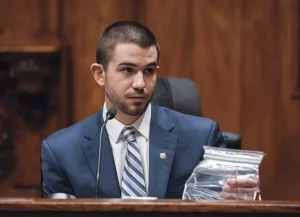 Sixth Amendment is violated when a substitute analyst provides expert witness testimony about the results of forensic testing performed by a non-testifying analyst.
 opportunities that college life brings. However, this exciting chapter also comes with new responsibilities and potential legal pitfalls that many students may not anticipate.
 about the rules surrounding fireworks.